

The Rise of Micro-Residential Senior Living: Central Valley Families Choose Home-Based Care Over Institutions

The official logo for Guardian Angel Home Care II, featuring a classic angel graphic and the business name.
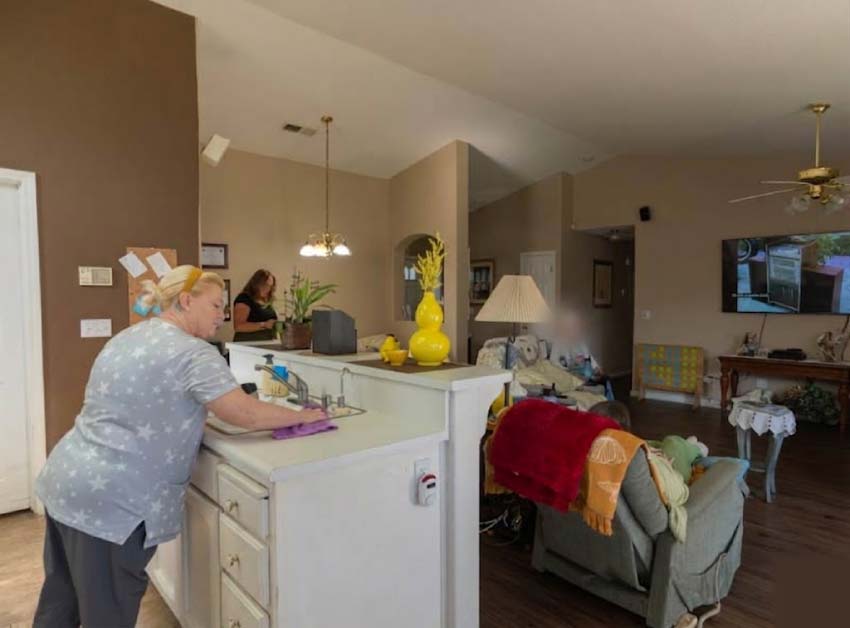
A warm, residential living and kitchen area at Guardian Angel Home Care II, reflecting a comfortable home-away-from-home environment for seniors.
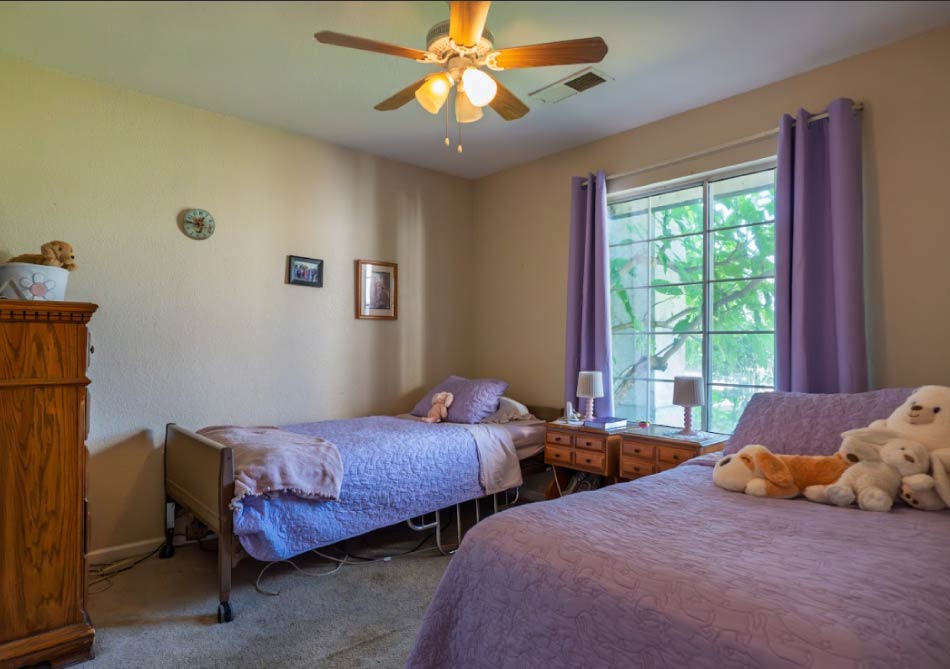
A cozy, well-lit double bedroom at Guardian Angel Home Care II featuring comfortable bedding and a warm, home-like atmosphere for residents.
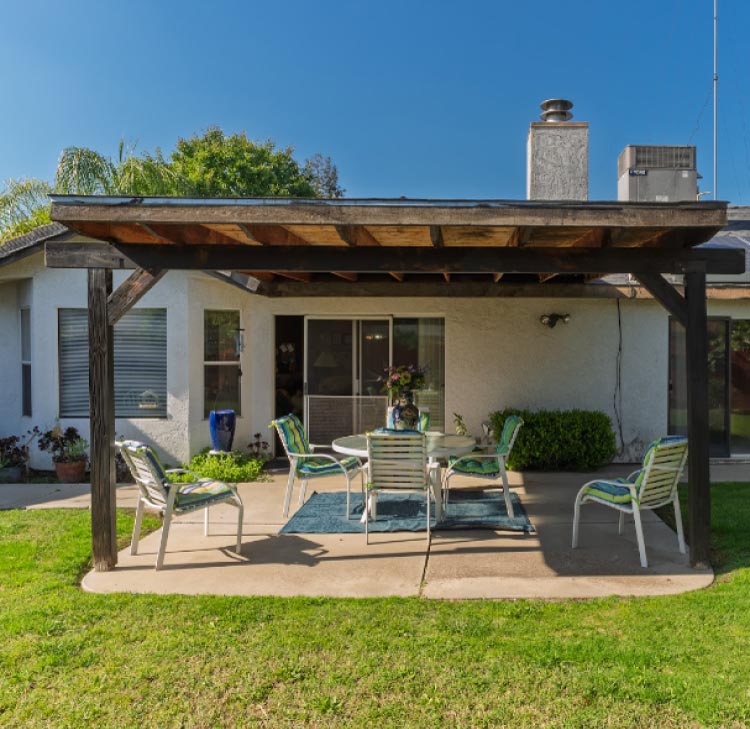
A peaceful outdoor patio and backyard garden space at Guardian Angel Home Care II, offering a relaxing environment for residents to enjoy fresh air.
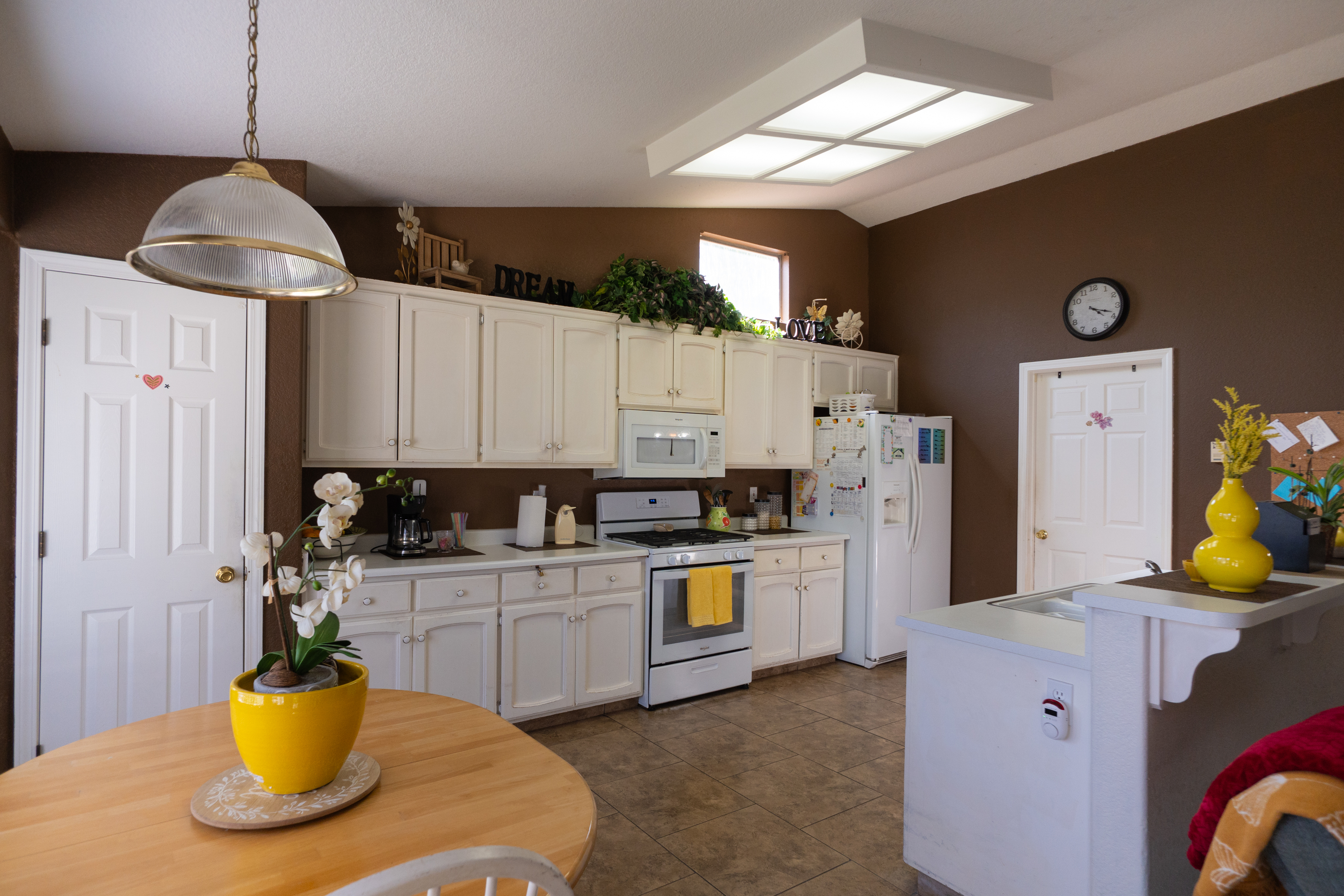
A fully equipped, open kitchen and dining area at Guardian Angel Home Care II, where residents enjoy home-cooked meals together.
Central Valley families are choosing home-based micro-residential senior care over large institutional facilities for personalized, boutique support.
ATWATER, CA, UNITED STATES, July 29, 2026 /EINPresswire.com/ -- According to the U.S. Census Bureau, the Baby Boomer generation (born 1946–1964) totals approximately 73 million in the United States. Having begun turning 65 in 2011, the vast majority of this cohort has already entered retirement age. According to demographic data from the Pew Research Center and the U.S. Census Bureau, the vast majority of older adults live independently in standard homes or apartments, while a small percentage reside in formal care settings. As these individuals advance further into their retirement years, a growing segment is rejecting the institutional status quo in favor of "micro-residential" care: single-family homes converted into high-standard, licensed care environments. This movement, driven by a demand for "lifestyle continuity," is redefining the economic and architectural future of senior living in California’s Central Valley and beyond.
The Rejection of the Institutional Clinical Model
For decades, the standard for senior care was defined by large-scale, clinical environments that prioritized institutional efficiency over individual lifestyle. However, as seniors reach the age of necessity for assisted living, their preferences are clashing with the traditional model. Market data indicates that today’s seniors are seeking environments that avoid the "institutional clinical feel" and instead offer a "home-away-from-home" experience.
This trend is not merely a matter of aesthetic preference; it is an economic and psychological imperative. As institutional costs continue to rise, family-owned residential care facilities are emerging as a vital bridge for the middle class, offering personalized care that feels human and intimate rather than corporate.
The Aging Population and Housing Demand
According to U.S. Census Bureau demographic trends, the scale of the aging population continues to shape housing and care markets across the nation. With millions of older adults advancing into their late-70s and 80s, the demand for specialized, licensed beds remains robust. In regions like the Central Valley—encompassing Merced, Stanislaus, Madera, and Fresno counties—this need for localized care is particularly acute.
The National Investment Center for Seniors Housing & Care (NIC) has noted a significant rise in the "boutique RCFE" (Residential Care Facility for the Elderly) model. These facilities, which typically house six to ten residents, allow for a higher caregiver-to-resident ratio and a focus on specialized programs such as memory care and hospice support in a setting that mirrors the resident's previous life in a single-family neighborhood.
AARP: Continuity of Care in Residential Settings
Recent AARP "Home and Community-Based Services" reports underscore that a vast majority of seniors prefer to remain in a residential setting for as long as possible. The rise of micro-care facilities satisfies this desire by providing 24/7 professional supervision and medical coordination within a standard residential footprint.
For many families, the appeal of the micro-residential model lies in its inherent flexibility. Unlike large-scale institutions that can feel restrictive, micro-care homes often encourage "lifestyle continuity," allowing residents to maintain familiar traditions, enjoy home-cooked meals, and participate in a social atmosphere reminiscent of the popular "Golden Girls" television dynamic.
The Regulatory and Quality Standard
While micro-care facilities offer a more intimate setting, they are subject to the same rigorous state oversight as their larger counterparts. Residential Care Facilities for the Elderly (RCFEs) in California are regulated under Title 22, Division 6, Chapter 8 of the California Code of Regulations (CCR) by the California Department of Social Services (CDSS) Community Care Licensing Division. This ensures that the "home-style" environment does not come at the cost of safety or professional standard.
Data shows that these smaller settings are particularly effective for residents living with Alzheimer’s and Dementia. The reduced environmental noise and familiar layout of a single-family home can significantly lower anxiety and behavioral symptoms associated with memory loss, a factor that is increasingly prioritized by medical professionals when recommending care placements.
Localization: The Central Valley Reality
In the Central Valley, the transition toward micro-residential living is being accelerated by the region’s unique cultural and linguistic needs. With large Spanish and Portuguese-speaking populations in Merced and Stanislaus counties, large institutions often struggle to provide culturally competent care. Micro-residential homes have proven more adept at integrating local traditions and native language communication into daily life, which has been shown to improve resident health outcomes and overall satisfaction.
Expert Analysis: Bridging the Care Gap
"The era of the 'big-box' nursing home is being challenged by a generation that wants to age in a home that looks like their own," says Lidia Silveira, a 25-year veteran of the residential care industry and founder of Guardian Angel Home Care in Atwater. "The traditional institutional model is becoming increasingly disconnected from what families actually want for their loved ones."
Silveira, who transformed a single-family home on Clipper Court into a licensed care environment in 2001, notes that the transition to professional care is often the most stressful period for a family. "In our Atwater facility, we've observed that the residential setting significantly reduces the anxiety of the transition, particularly for residents who previously spent decades in their own single-family neighborhoods," she explains.
The localized impact of this trend is visible in the growing demand for facilities that offer "true family flexibility," such as allowing residents to go home for weekends or holidays without the rigid check-out procedures typical of large medical institutions. "Families don't want to feel 'trapped' by a care facility; they want a partner that understands the importance of connection and freedom," Silveira adds.
The Future of Senior Living
As the market continues to evolve, the distinction between "institutional" and "residential" care will likely become the primary factor in consumer decision-making. With older adults and their families driving the demand for more personalized, smaller-scale options, the micro-residential model is poised to move from a niche alternative to the new industry standard.
For journalists covering business, real estate, or healthcare trends, the rise of micro-care represents a significant localized impact of a national demographic shift. It highlights a rare instance where market demand for a higher quality of life is successfully driving a new economic model that benefits both the consumer and the provider.
About Guardian Angel Home Care: Guardian Angel Home Care II is a licensed Residential Care Facility for the Elderly (RCFE #247203432) located in Atwater, CA. Founded in 2001 by Lidia Silveira and her mother, the facility provides 24/7 specialized care, including memory care and hospice support, in a warm, residential setting. Serving families across Merced, Madera, Stanislaus, and Fresno counties, Guardian Angel Home Care is dedicated to treating every resident with the warmth, dignity, and devotion of family.
Luis Chavez
Chavez Web Design, LLC
+1 559-553-5000
email us here
Visit us on social media:
Instagram
Facebook
YouTube
Looking for the perfect care for your loved ones shouldn’t feel like a struggle.
Legal Disclaimer:
EIN Presswire provides this news content "as is" without warranty of any kind. We do not accept any responsibility or liability for the accuracy, content, images, videos, licenses, completeness, legality, or reliability of the information contained in this article. If you have any complaints or copyright issues related to this article, kindly contact the author above.
